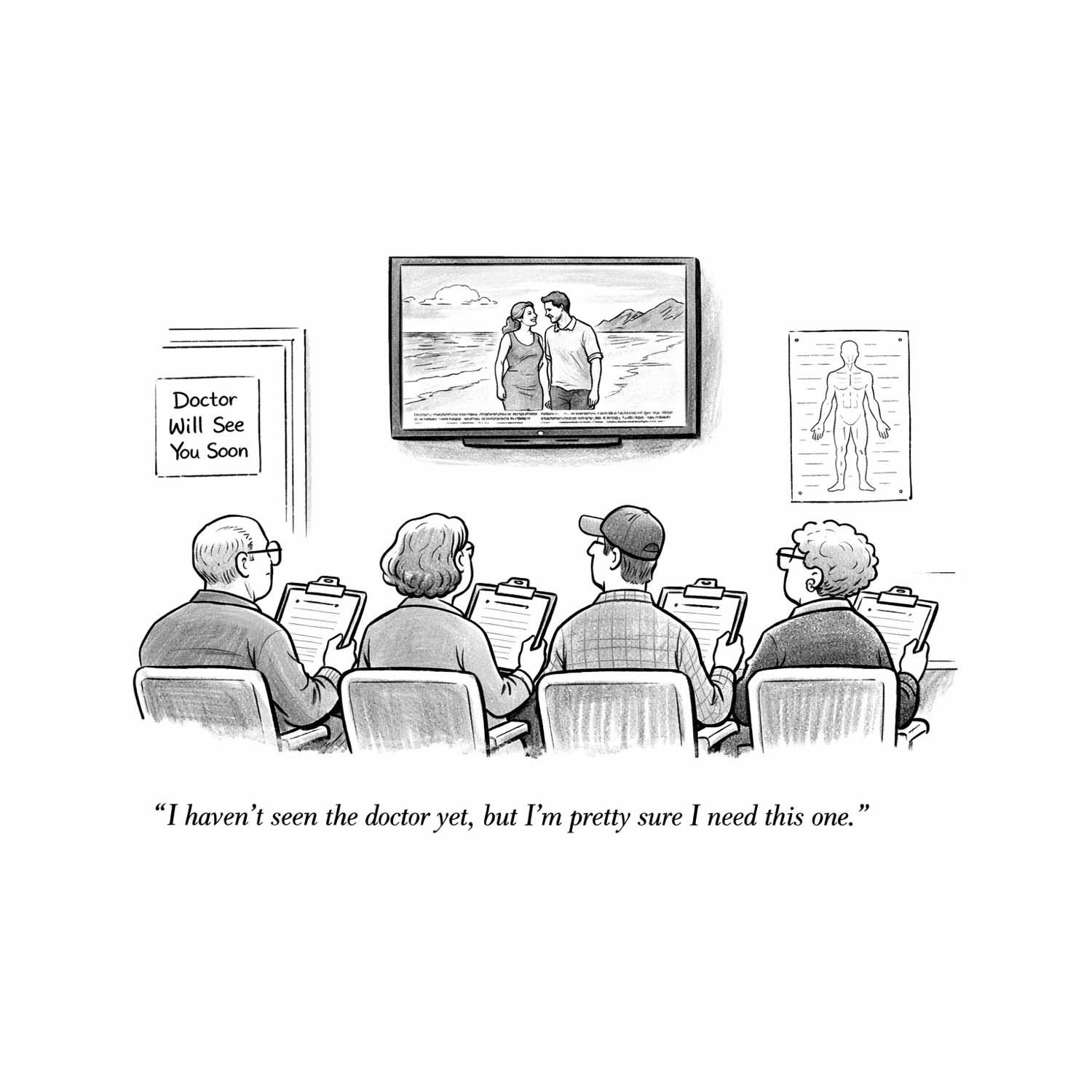
What’s Wrong With Drug Advertising? Almost Everything.
Pharmaceutical ads now dominate American news, shaping diagnoses, prescriptions, and public perception—raising questions about medicine, media influence, and who really benefits.

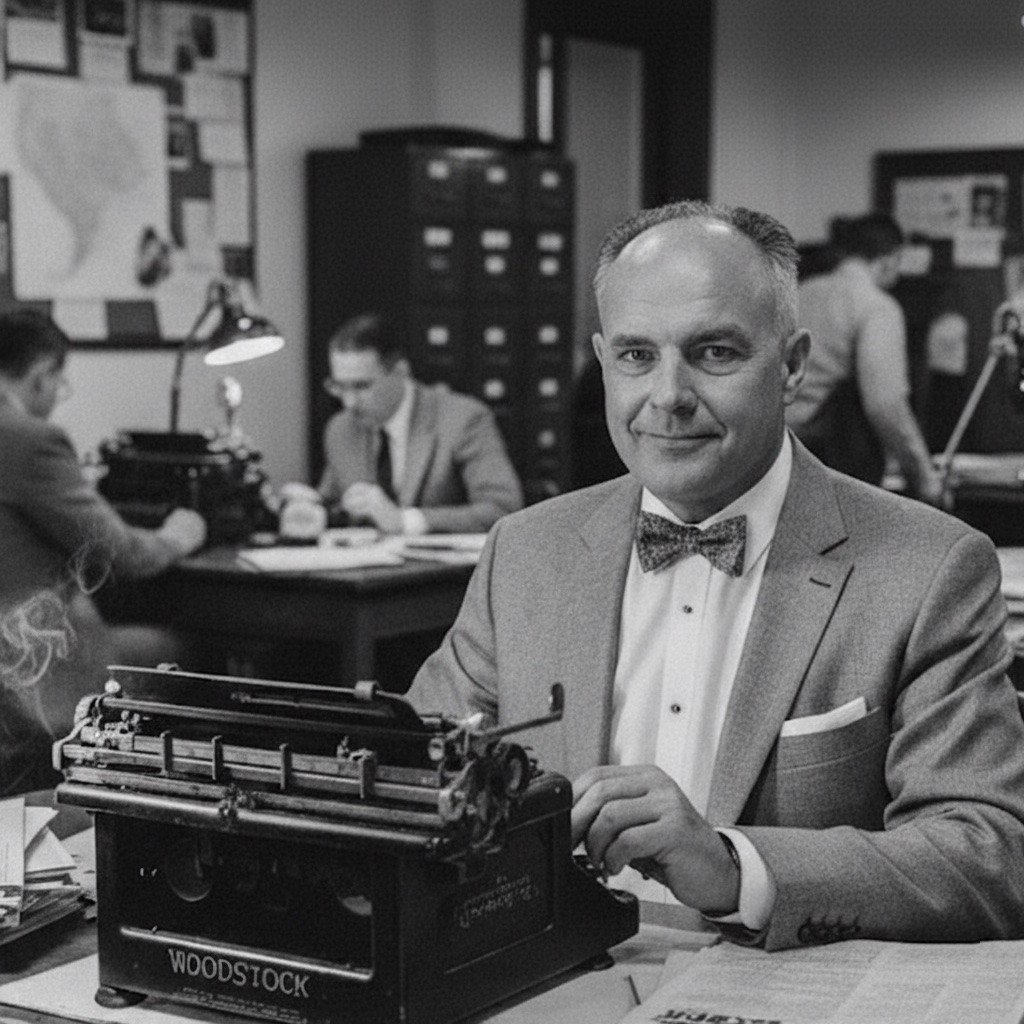
Pharmaceutical ads now dominate American news, shaping diagnoses, prescriptions, and public perception—raising questions about medicine, media influence, and who really benefits.
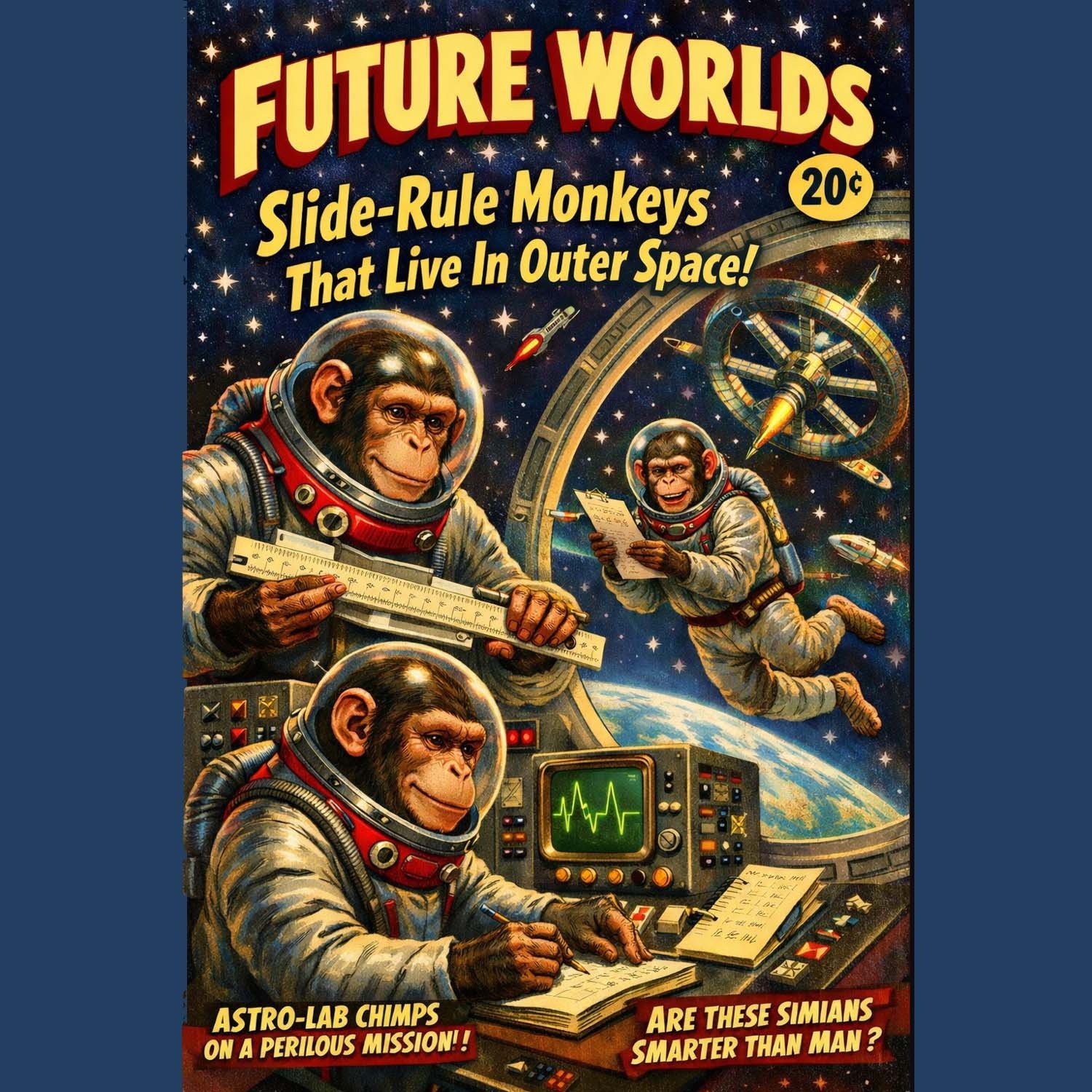
Elon Musk imagines AI data centers in space—but for now, the future of computing still runs on Earth, powered by places like Beaver County with land, energy, and infrastructure.
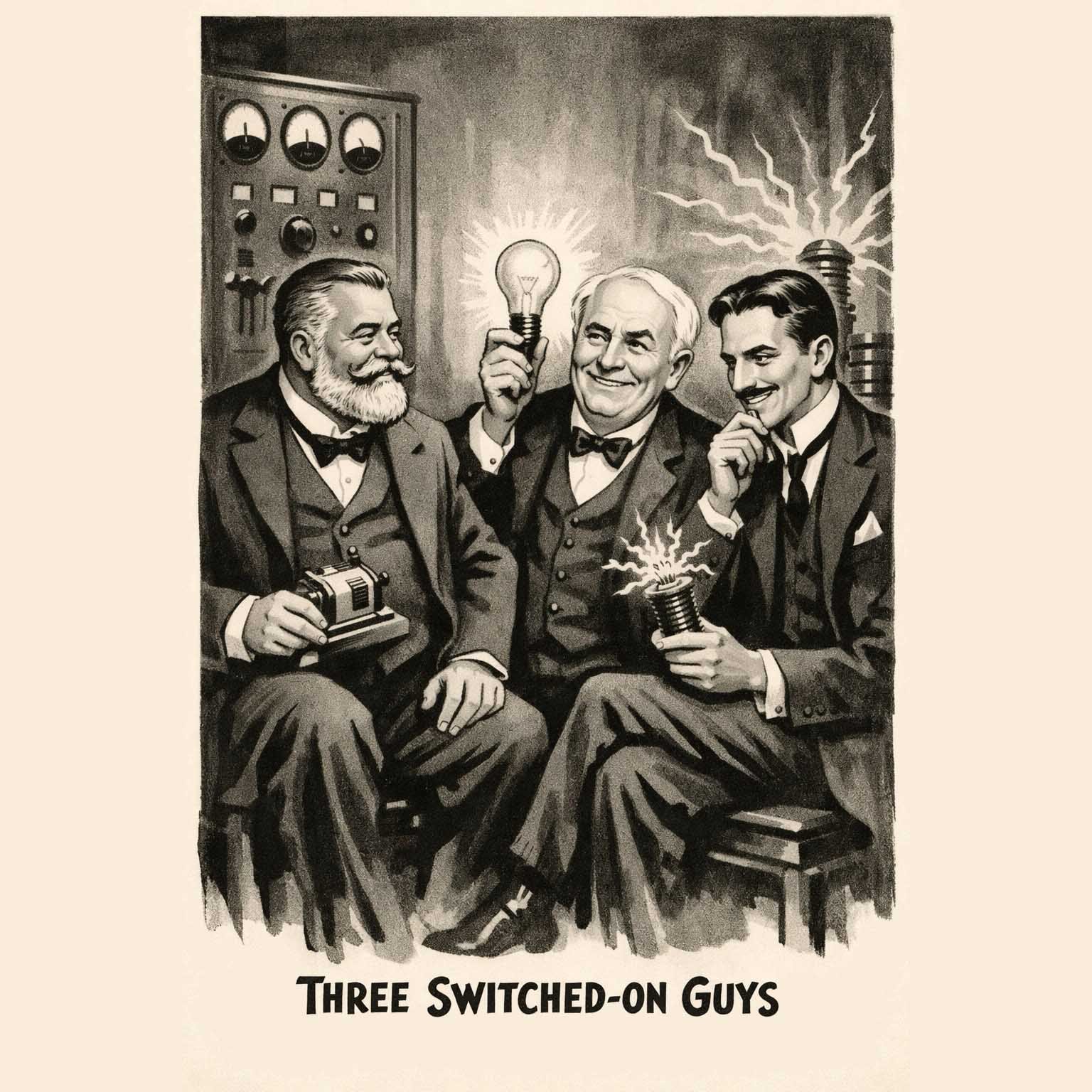
The rise and fall of Westinghouse, from engineering powerhouse to corporate collapse, and what Beaver County’s industrial legacy reveals about building things that truly last.
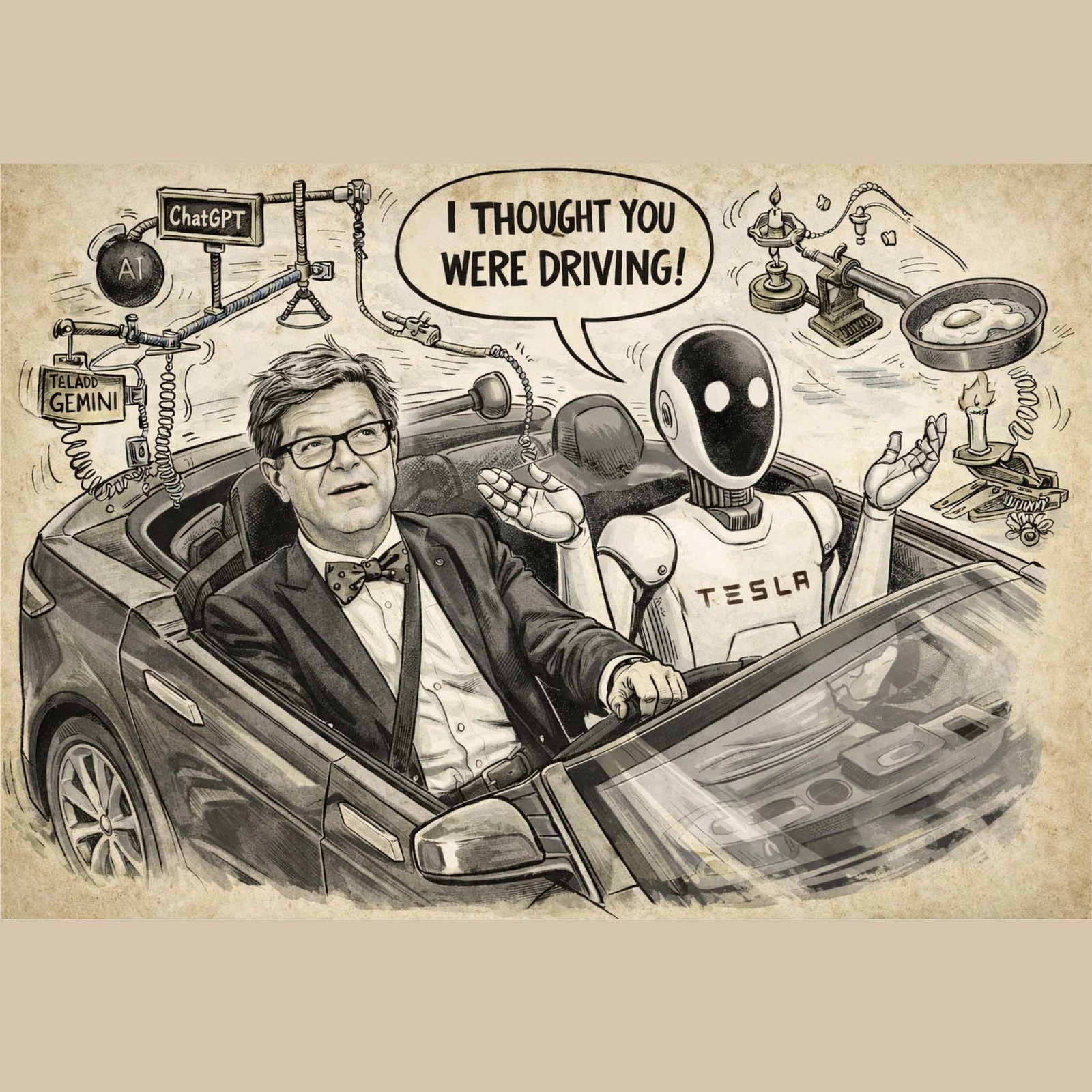
AI’s future may shift from chatbots to systems that understand the physical world—bringing automation, efficiency, and real-world intelligence to industry and energy hubs like Beaver County.
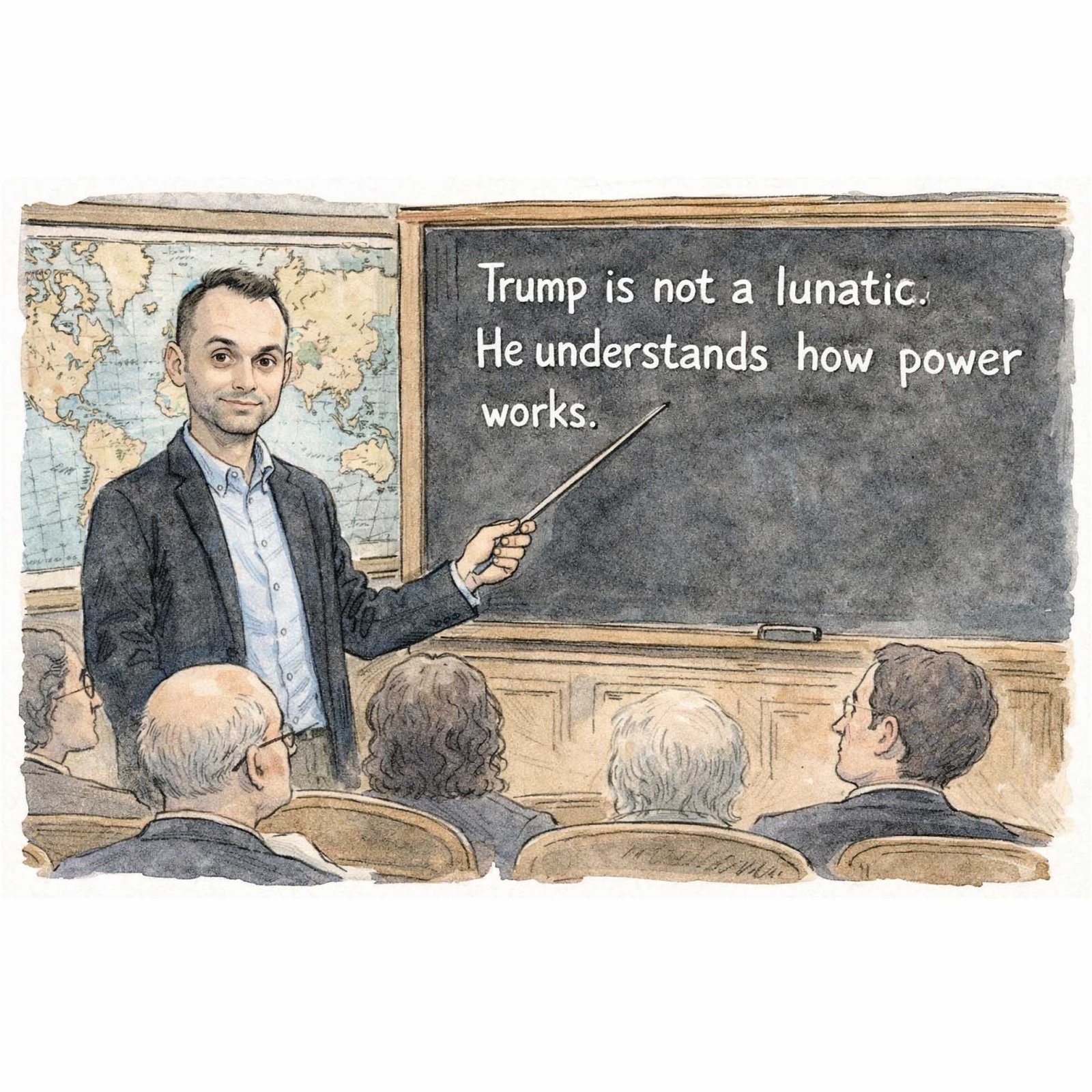
A sharp, witty look at geopolitics, AI, and Western decline through the lens of comedian Konstantin Kisin — and what it means for Beaver County’s future.
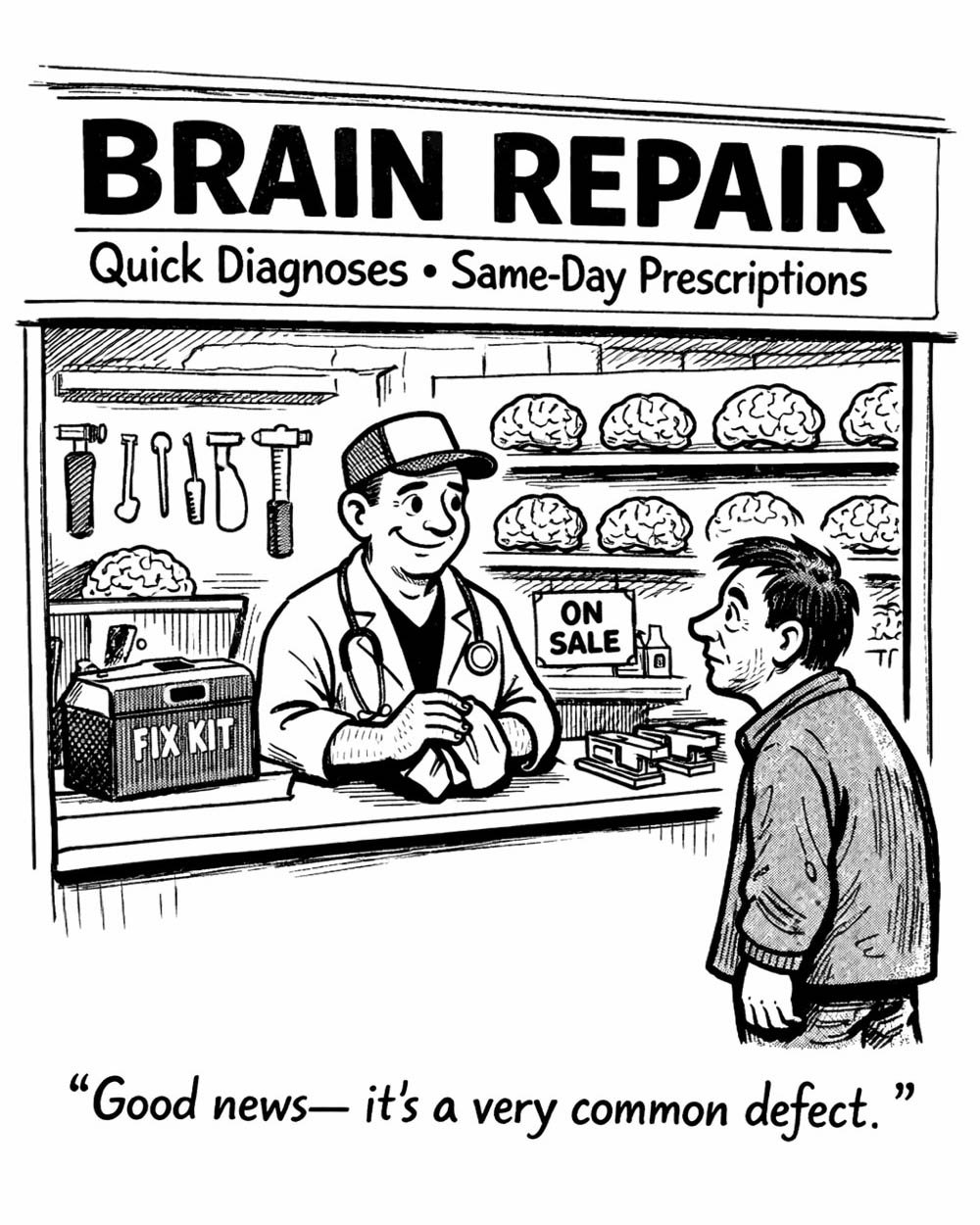
A psychiatrist critiques the modern mental-health system’s rush to diagnose and medicate, urging a return to root causes, careful listening, and treating people as human—not broken brains.

A nostalgic reflection on growing up in Beaver County winters—snowed-in roads, toboggans, candlelit dinners, and the cold, patient Januarys that quietly shaped who we became.
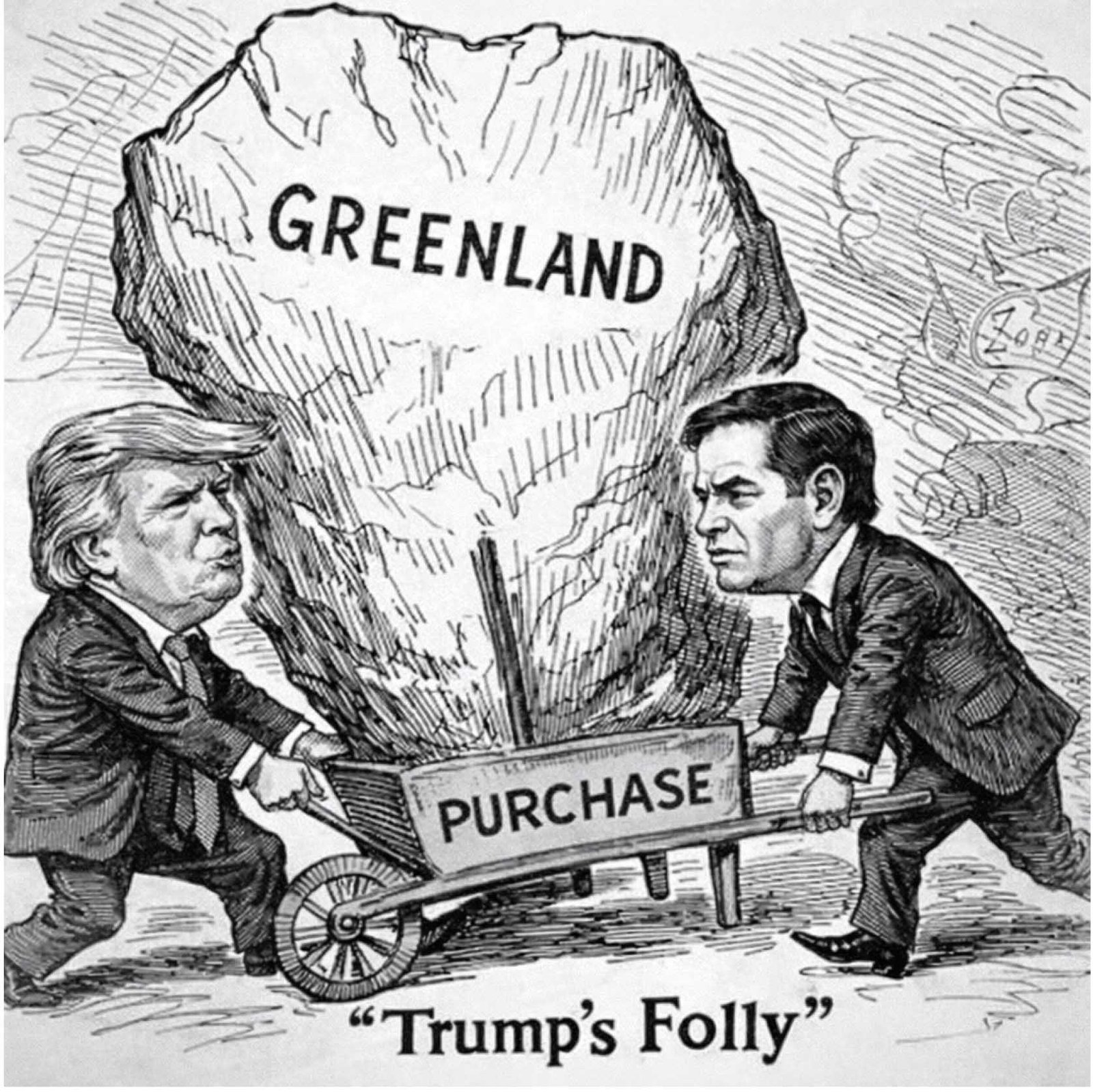
Why Greenland’s minerals and Arctic geopolitics matter to Beaver County—linking rare earths, energy, and supply chains to the region’s industrial future in a shifting global economy.
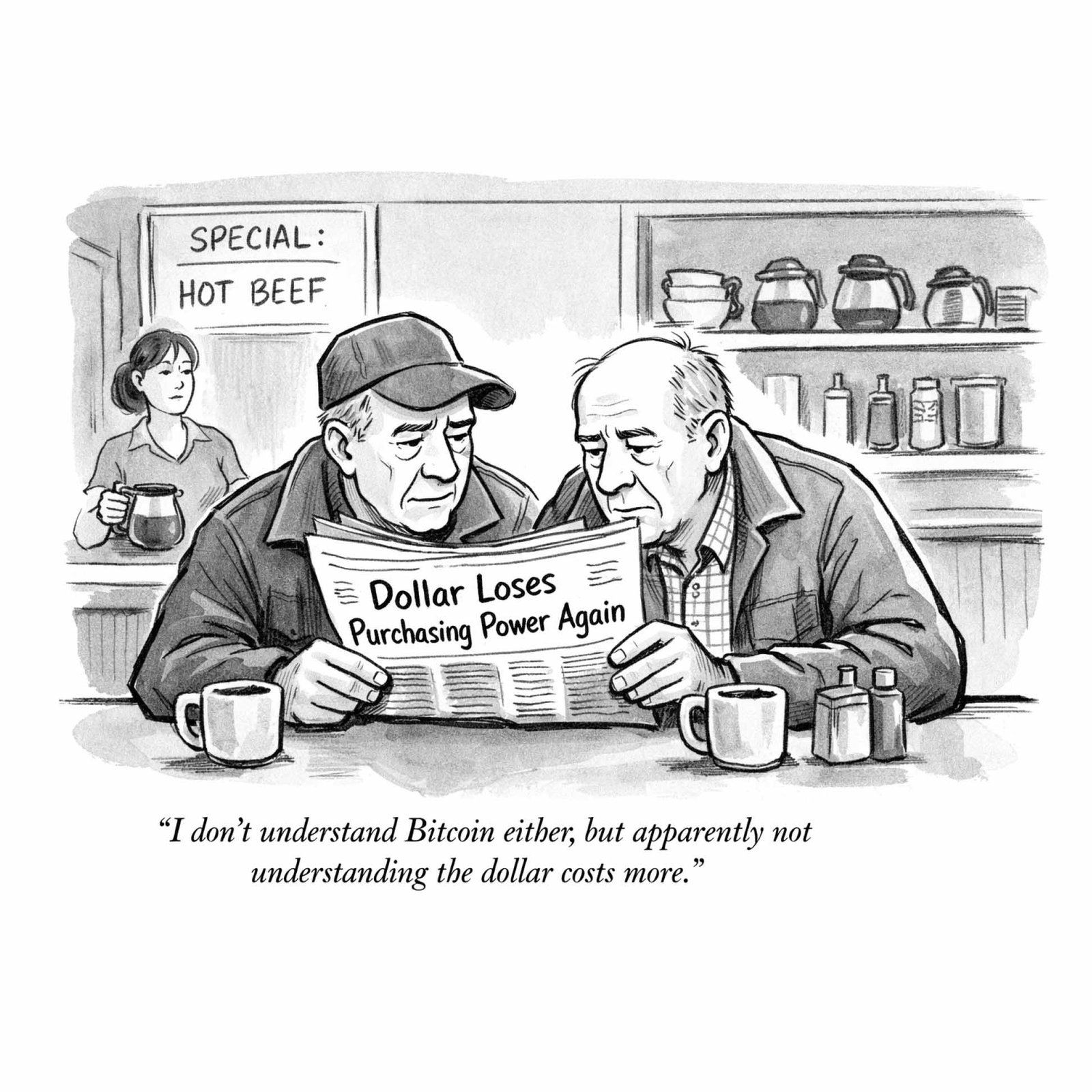
A clear, local-minded explanation of Bitcoin’s asymmetric risk, fixed supply, and why understanding it matters for Beaver County in a world of debt, debasement, and sudden system shifts.
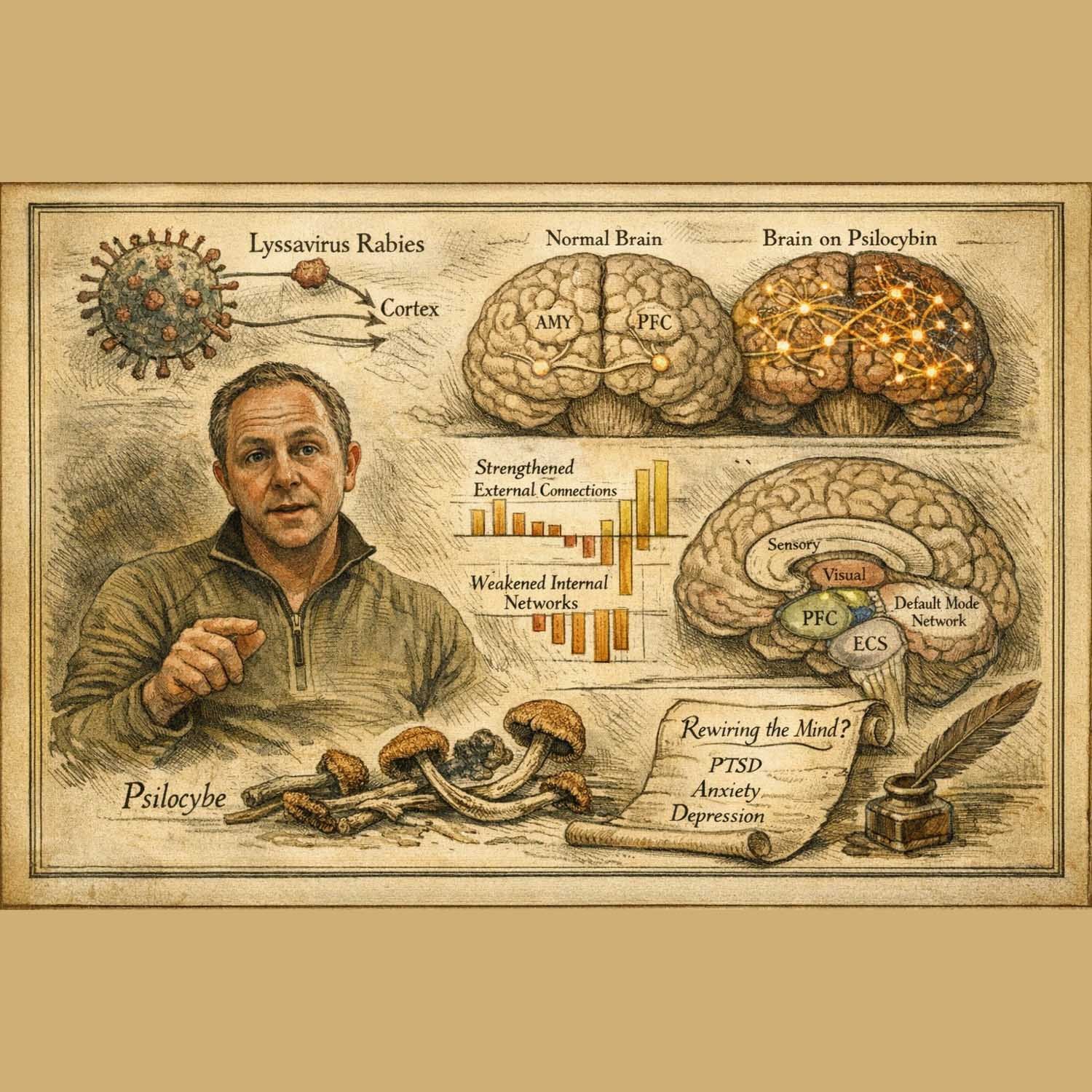
Neuroscience suggests the self is more malleable than we think—revaealing how attention, environment, and identity can literally rewire the brain, much like Beaver County’s long habit of reinvention.
Pharmaceutical ads now dominate American news, shaping diagnoses, prescriptions, and public perception—raising questions about medicine, media influence, and who really benefits.
Elon Musk imagines AI data centers in space—but for now, the future of computing still runs on Earth, powered by places like Beaver County with land, energy, and infrastructure.
The rise and fall of Westinghouse, from engineering powerhouse to corporate collapse, and what Beaver County’s industrial legacy reveals about building things that truly last.
AI’s future may shift from chatbots to systems that understand the physical world—bringing automation, efficiency, and real-world intelligence to industry and energy hubs like Beaver County.
A sharp, witty look at geopolitics, AI, and Western decline through the lens of comedian Konstantin Kisin — and what it means for Beaver County’s future.
A psychiatrist critiques the modern mental-health system’s rush to diagnose and medicate, urging a return to root causes, careful listening, and treating people as human—not broken brains.
A nostalgic reflection on growing up in Beaver County winters—snowed-in roads, toboggans, candlelit dinners, and the cold, patient Januarys that quietly shaped who we became.
Why Greenland’s minerals and Arctic geopolitics matter to Beaver County—linking rare earths, energy, and supply chains to the region’s industrial future in a shifting global economy.
A clear, local-minded explanation of Bitcoin’s asymmetric risk, fixed supply, and why understanding it matters for Beaver County in a world of debt, debasement, and sudden system shifts.
Neuroscience suggests the self is more malleable than we think—revaealing how attention, environment, and identity can literally rewire the brain, much like Beaver County’s long habit of reinvention.