Thoughtful writing about people, work, and life in Beaver County

FROM RODGER’S DESK
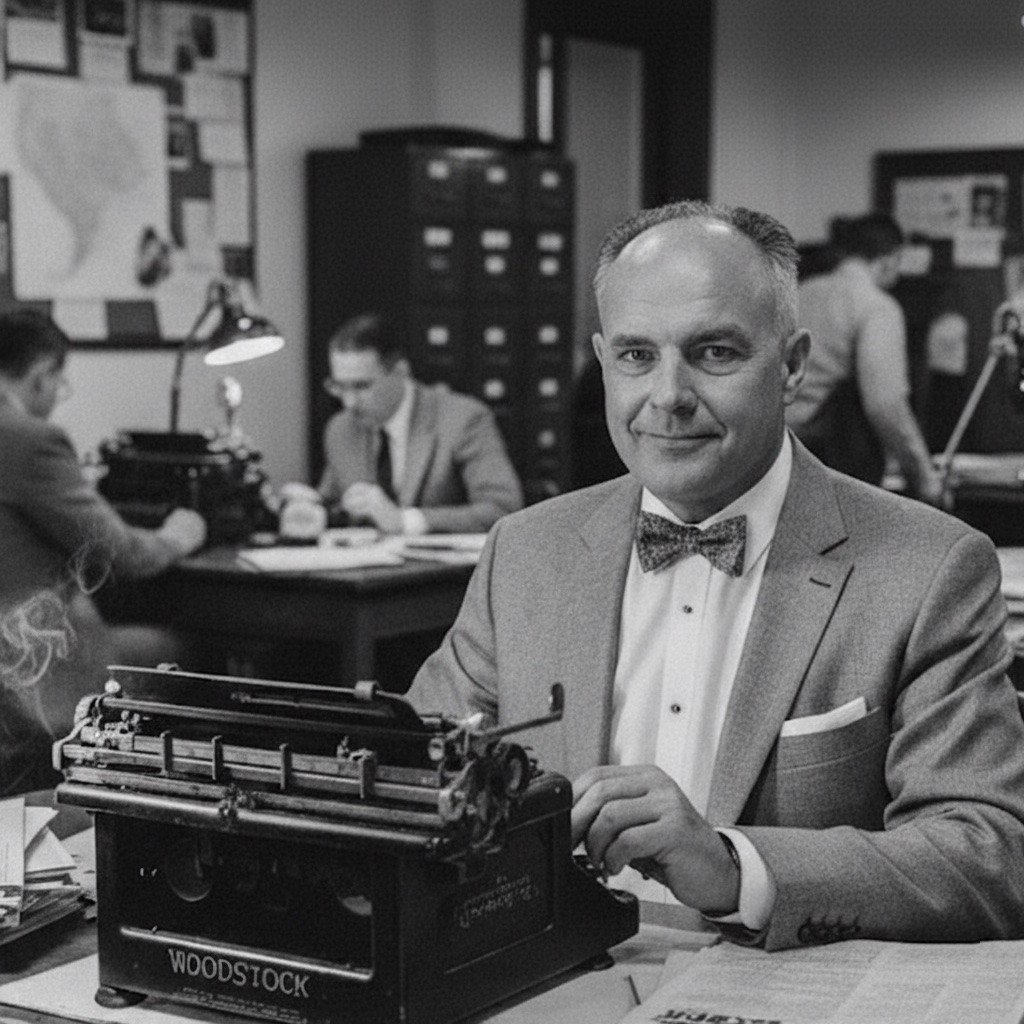
From Rodger’s Desk is the regular column and open door of the Beaver County Almanac, written by Editor & Publisher Rodger Morrow.

Dolly’s Coat

Rodger Morrow

Rodger Morrow

Editor & Publisher, Beaver County Business

Listen to a podcast discussion about this article.

As a child, I slept with the light on. Not because I was afraid of monsters under the bed, which even then struck me as a cramped place for a monster to conduct its business. Some days seemed to leave the darkness sitting in the room long after the lights were turned off.

As a little girl, Dolly Parton was once locked in a coat closet by other children at school. She was small. Her coat was made from scraps of cloth. The other children thought this was funny. Dolly did not.

Years later, she would turn the humiliation into a song: “Coat of Many Colors.”

Dolly’s Coat

The song softens the cruelty of what happened. In it, her mother takes a box of rags and patiently sews a coat for her daughter. While she works, she tells Dolly the biblical story of Joseph, whose father gave him a coat so splendid that his brothers became jealous enough to sell him into slavery.

Dolly went to school wearing her coat and feeling like Joseph.

The other children saw a poor girl in a patchwork coat.

They laughed. They pulled at the buttons.

And eventually they put her in the closet.

Dolly wrote the song years later on the back of a dry-cleaning receipt for one of Porter Wagoner’s rhinestone suits.

Life occasionally has a sense of humor.

Dolly spent her career writing about people who didn’t have much. The poor girl. The working woman. The factory worker. The lonely wife. The father who couldn’t read. The people who get up early, go to work and stay where they started.

They wore aprons.

They punched time clocks.

They counted their money before going to the grocery store.

This is one reason Beaver County ought to understand Dolly Parton.

We know something about being the place everybody remembers only when it needs something.

For generations, we were a county of mills, smoke, river traffic and men who came home with enough dirt on their clothes to make the washing machine look discouraged. Then the mills went away, along with many of the jobs, the stores and the confident assumption that the next generation would have it better.

Pittsburgh remained nearby, which is both a blessing and a little insulting. We became the place people passed through on their way to somewhere else.

Beaver County has spent decades being told, politely, that it ought to be grateful for whatever scraps were left.

So we know something about scraps.

We also know something about sewing them together.

Dolly never, so far as I know, spent much time in Beaver County. She performed in Pittsburgh often enough, however, that families here could make the trip, see her under the lights and get home before the babysitter began charging overtime.

But she eventually came to Beaver County in another way.

The Dolly Parton Imagination Library arrived here in 2024, sending a free book each month to enrolled children from birth until kindergarten.

No income test. No complicated application designed by somebody who has never filled one out while holding a baby.

Just a book in the mailbox with the child’s name on it.

Dolly created the program because her father, Robert Lee Parton, was, by her account, the smartest man she knew but couldn’t read. He told her the Imagination Library was probably the most important thing she had ever done.

That may be the best review the program ever received.

There is no great cinematic moment when a book arrives and poverty disappears.

No orchestra swells. Nobody flies in from Washington.

A mail carrier simply puts a book in a mailbox.

A child opens it.

And for a few minutes, the world becomes larger.

That may be enough.

We like to celebrate people by polishing away everything inconvenient about them.

Dolly resists that treatment because she never seemed particularly interested in becoming a saint.

She knew she had been poor. She knew people laughed at her. She knew that optimism doesn’t pay the electric bill and that determination, while admirable, has occasionally been asked to do the work of public policy.

But she also understood something harder to measure.

A child can be poor without being made to feel worthless.

A child can wear a coat made from scraps and still believe it is beautiful.

And sometimes the difference is a mother sitting at a sewing machine, putting one piece of cloth next to another and refusing to believe either piece is worthless.

Joseph’s coat was a symbol of his father’s favor. It made his brothers jealous.

Dolly’s coat was a symbol of her mother’s love. It made schoolchildren laugh.

The Bible gives Joseph a long, complicated story.

Dolly gave herself a better ending.

She kept the stitches. She kept the colors. She kept writing for people who’d been told they were scraps — and insisted they were worth sewing together.

I still sleep better with a light on. Somewhere in Beaver County, a child is opening a book in the mailbox, and the darkness is giving way.

Share This Story

Facebook
X (formerly twitter)
Reddit
LinkedIn
Threads
Email

share this story:

Facebook
X (formerly twitter)
Reddit
LinkedIn
Threads
Email

Leave a Comment

MORE FROM BEAVER COUNTY BUSINESS:

Scroll to Top