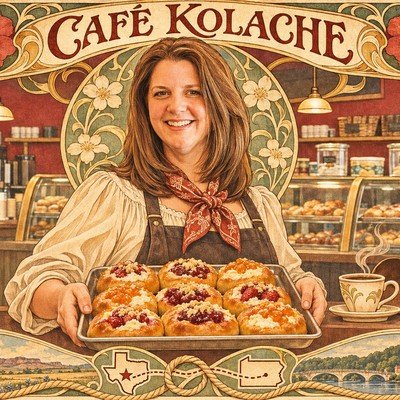
The Pastry That Took the Long Way Home
The kolache’s journey from Central Europe to Texas and finally to Beaver has transformed breakfast into a cherished communal experience.
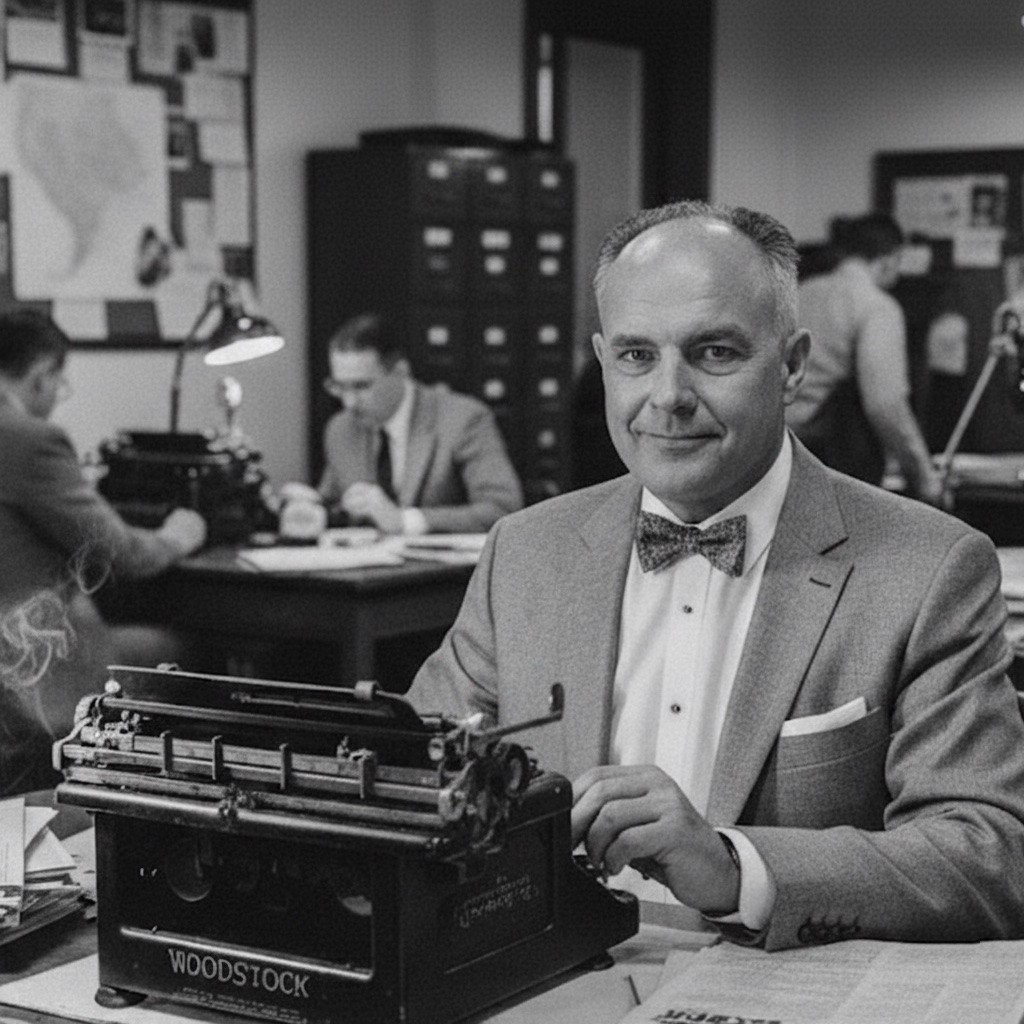

Rodger Morrow
Editor & Publisher, Beaver County Almanac
The county’s last independent supermarket has filed for Chapter 11. The cure is a shopping list.
There comes a point in life when a person stops judging a grocery store by its prices and starts judging it by the distance from the bread to the milk. By that measure, the modern supermarket has become uninhabitable. You go in for a quart of milk and a loaf of rye, and forty minutes later you are in Aisle 31, among the motor oil and the inflatable flamingos, wondering whether to send up a flare.
This is progress, we are told. Progress has given us stores the size of airfields, with the customer service desk located roughly where Ohio begins.
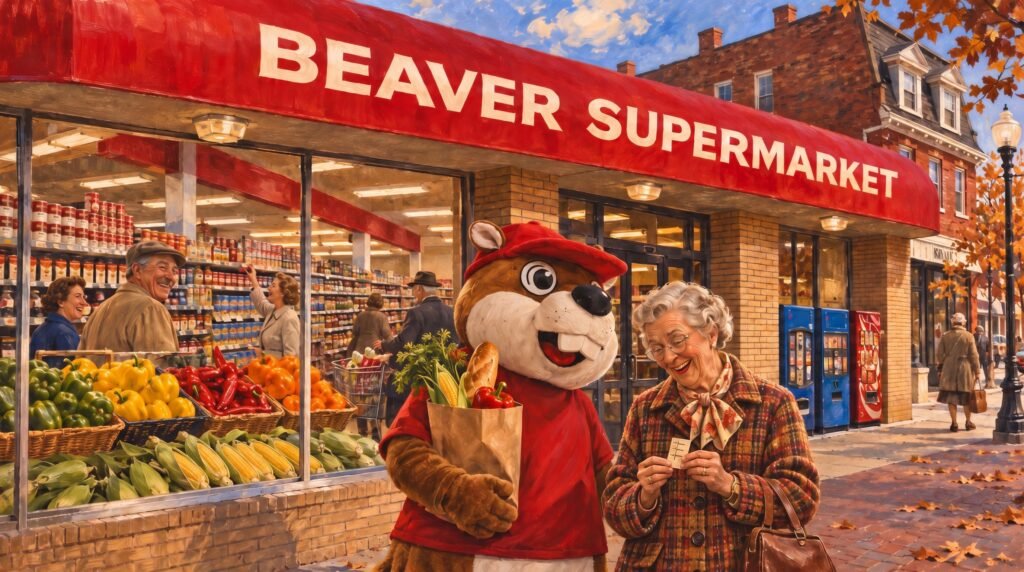
Which brings me to the Beaver Supermarket, at 648 Third Street, which has never been progress in that sense and, with luck, never will be.
The Beaver Super, as everybody calls it, is the oldest and last independent full-service supermarket of its kind in Beaver County. It has sold groceries on Third Street since the 1950s, out of a building that went up around the end of the Second World War. Abe Farkas founded it. Bill Camp bought it from him and ran it as a Valu King from the late 1970s into the late 1980s. Mark Ondrusek kept it going for many years after that. In the middle of 2024, Bill’s son Kevin, who grew up underfoot in the grocery business, bought it with his wife, Melinda.
On October 28, Beaver Supermarket, Inc. filed for Chapter 11 in federal bankruptcy court in Pittsburgh under a provision for small businesses.
Before anyone writes the obituary, the Beaver Super is still open. The Camps are using Chapter 11 to try to reorganize the business. It’s the legal equivalent of a man telling his creditors, “Gentlemen, if you will all stop shouting at once, I believe I can pay you.” In the meantime, the store goes on selling pork chops while the lawyers argue.
Why is a beloved grocery in trouble? The answer is arithmetic, the cruelest of the sciences. The Camps told the Pittsburgh Post-Gazette that roughly three-quarters of every dollar through the register goes right back out to vendors. Out of what’s left come the payroll, the light bill, and the repairs, and in a store of some 13,000 square feet there is always something to repair. A new compressor for one meat case recently cost $8,000. The meat case was built the year Secretariat won the Triple Crown.
Add double-digit sales declines, floods, power outages, a few bad hires, and competition from Giant Eagle and the rest. By their own account, the Camps found themselves “easily six figures deep in debt,” most of it owed to vendors.
So the shelves have been thin. When the Post-Gazette spoke with the Camps, grocery stock was running at about 40 percent of normal and frozen foods at about 30. The staff had shrunk from about 50 to 30-odd, and some of those who stayed took pay cuts or fewer hours. Melinda Camp was working the only open register, with three others standing idle.
I mention all this because the Camps have been talking about their troubles on Facebook in plain language, which is more candor than you will get from most corporations and a good many governments.
Here is my case for shopping there anyway.
The meat counter is the real thing. The butchers will cut what you want, the way you want it, and offer an opinion if you ask, and occasionally if you don’t. The produce is chosen by people who have been choosing produce for decades. Dave and Floyd Panella are still at it. The deli slices to order. The bakery carries Amish goods that sell out for good reason.
Then there is the human scale of the thing. Many of the staff have been there 20 or 25 years. Seniors in the nearby apartment buildings can walk over, find what they came for without a map, and be home before lunch. Try that at a store whose parking lot has its own weather.
The big stores have their uses. If you’re feeding twelve people and one of them will eat only a particular brand of cracker, a big store is a fine place to begin the search. On an ordinary Tuesday, when supper is the only thing on the agenda, I’d start on Third Street.
Some of the money you spend there goes toward paying a Beaver County butcher, a Beaver County cashier, and keeping a family with deep roots in this town’s grocery trade in business.
Kevin Camp has said he “could never imagine Beaver without” the store. Melinda put it more simply. “It’s not just a store.” They are trying to restock in time for Thanksgiving, which arrives next week.
The shelves will not fill themselves. They fill when customers come back, buy a ham loaf and a pie, and come back again. The lawyers can write a reorganization plan. The rest of us can give the Camps a reason to order more ham loaf.
So this year, before you drive out to the airfield, try Third Street. Bring a list. Bring patience if they’re out of something. And if Melinda is the only one at the register, say thank you. She has earned it.
The kolache’s journey from Central Europe to Texas and finally to Beaver has transformed breakfast into a cherished communal experience.

Dining out has become a luxury, with couples weighing costs more than ever. As budgets tighten, the romance of a simple dinner now demands deeper consideration.