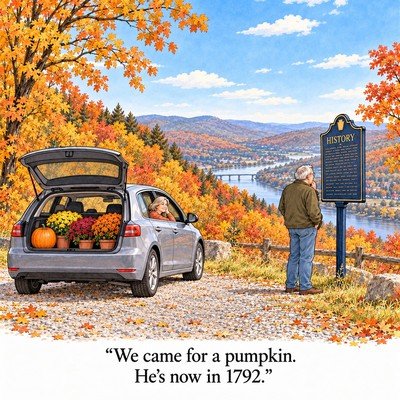
The View Through the Windshield
This October, embrace the journey. Discover the hidden stories in the landscape as you make your way to the pumpkin patch. There’s more than meets the eye.

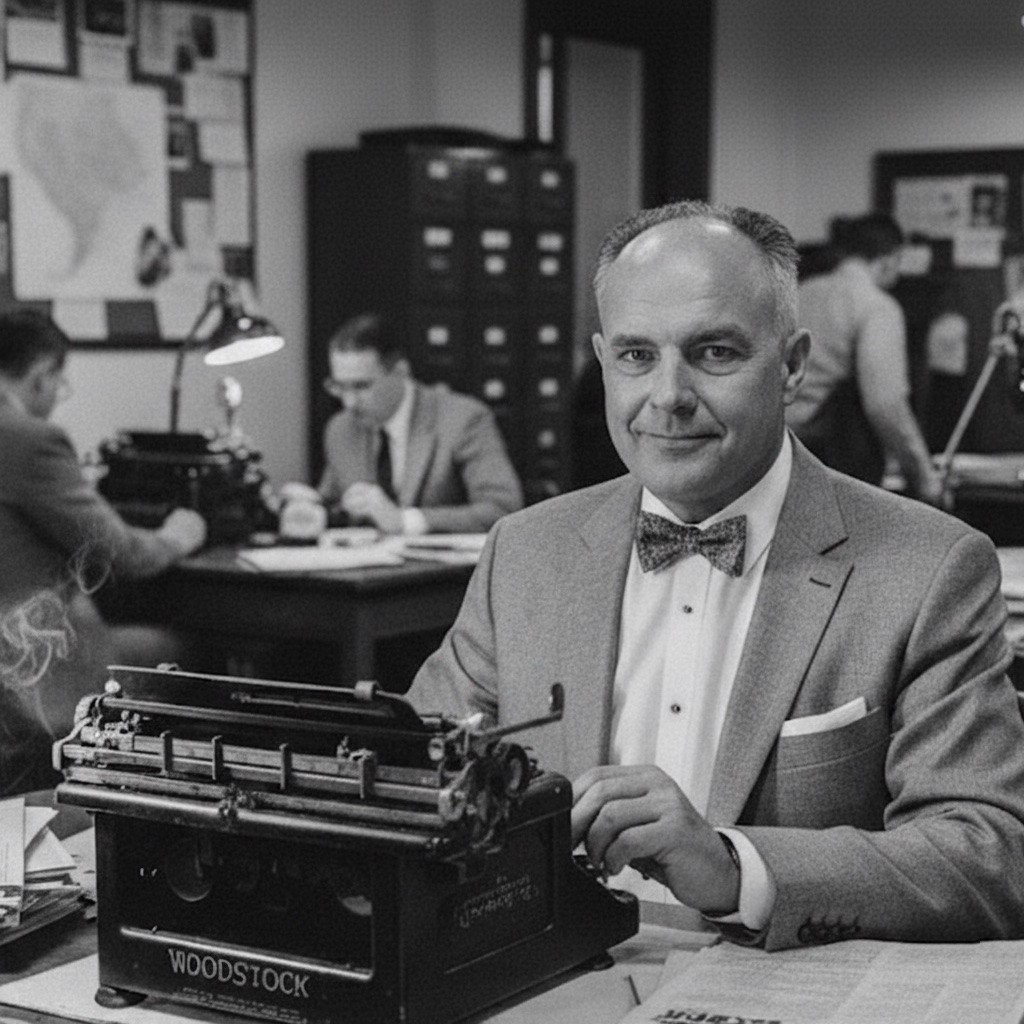

Rodger Morrow
Editor & Publisher, Beaver County Business
Rowetown once had a post office, a blacksmith shop, a sawmill, and several houses. In those days, that was enough to make a place a place. Nobody hired a branding consultant. Nobody announced a lifestyle district. Nobody put up a sign promising that something exciting was coming soon, possibly because something already had.
It stood where Ohioville Road meets Blackhawk Road, Routes 168 and 251 now, in South Beaver Township. The crossroads is still there. Rowetown, for practical purposes, is not. You can drive through what used to be the middle of it while thinking about lunch, which is how most of us pass through most of American history.
We are usually watching for the turn.
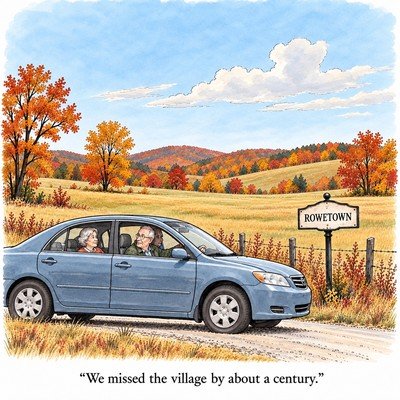
I have always liked these nearly vanished places better than the ones that have acquired a visitor center. A blacksmith shop tells you what people needed. A sawmill tells you what they were building. A post office tells you they expected to hear from somewhere else, though not, presumably, every seven seconds.
South Beaver knows a good deal about disappearing, most of it by subtraction. When Beaver County was established on March 12, 1800, South Beaver was one of its six original townships, a great sprawl of country north of the Ohio and west of the Beaver River. The township on today’s map is what was left after the neighbors kept helping themselves.
Part of the farm I grew up on lies in South Beaver. This was a puzzle to a boy finishing grade school in Chippewa. I had been given to understand that we lived in one place. It turned out the farm lived in two. The grownups seemed untroubled by this. I felt a township ought to know where to stop, and the fence was the obvious spot.
The residents of the day had their reasons. The township, they complained, was too big. Getting around it was a chore, and so was doing business in it. So the carving began. Little Beaver and Big Beaver went off on their own in 1802. Borough Township, now Vanport, followed in 1804, and Ohio Township in 1805. In 1816, what remained of South Beaver and Ohio was rearranged into South Beaver, Chippewa, Ohio, and Brighton townships.
This is why Beaver County is so hard to explain to strangers. We have a Beaver, a Big Beaver, a South Beaver, and a Beaver Falls, with more Beavers over in Lawrence County. A visitor asking directions may come to suspect that the animal sat on the original planning commission, and that it voted.
Before any of these lines were drawn, Native peoples lived in and traveled through this country. Later roads followed or ran near older paths that local histories remember as the Tuscarawas and Sandusky trails. We like to think transportation began when somebody painted a line down the middle of the road. The people who were here first had worked out how to get across this country long before anybody owned a can of paint.
After the Revolution came surveys, veterans’ compensation, speculators, settlers, and that other great American institution, the ownership dispute. The Pennsylvania Population Company bought up large holdings. Settlers cleared land, built houses, and now and then learned that their idea of the arrangement was not the idea held by the people with the paperwork.
The frontier required an axe. It could also require a lawyer.
Most of the township’s daily life ran on farming. At Watts Mill on Little Beaver Creek, farmers brought their corn and buckwheat to be ground. The Little Beaver Historical Society dates the mill to 1798 and its end, by fire, to January 14, 1916. The recollections it has gathered include millers taking their pay in flour and keeping the waterwheel turning through bitter cold so it wouldn’t freeze.
I admire a business that could explain both its product and its price without a subscription agreement. You brought grain. You went home with flour. The miller kept some. Nobody offered you a premium account with enhanced grinding privileges, or asked you afterward to rate your grinding experience on a scale of one to five.
Blackhawk was another early gathering place, remembered as a stagecoach stop with an inn. Churches, country schools, and crossroads held the township’s social life together. In December 1947, residents began organizing their own volunteer fire department. The next year they bought a used 1931 Ford fire truck from Chippewa.
It was seventeen years old. Nobody seems to have felt that fighting fires required the latest model, and the fires, so far as I know, did not complain.
South Beaver is still rural, though no place stays exactly as the grandparents left it. The roads carry different traffic. Farms change hands. Children go to Blackhawk schools. People live within reach of the county’s busier places while keeping a prudent distance from their enthusiasms.
Rowetown is a reminder of how much can happen at an ordinary intersection. People worked there, picked up their mail, fixed what was broken, and made the small arrangements that keep a household going. The village never became famous. It became useful, and then it became hard to see.
I would like to think we could remember it without first deciding what to sell there.
This October, embrace the journey. Discover the hidden stories in the landscape as you make your way to the pumpkin patch. There’s more than meets the eye.
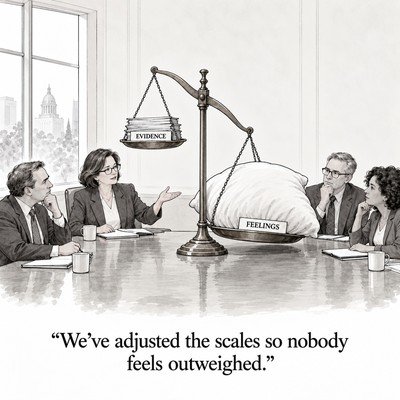
The debate over women’s growing influence in institutions raises critical questions about standards and truth versus emotional safety in our society.