
Who Gets the Bill at PittRace?
As Switch plans a data-center campus at the old Big Beaver racetrack, questions arise about who pays if the project underdelivers on power needs.

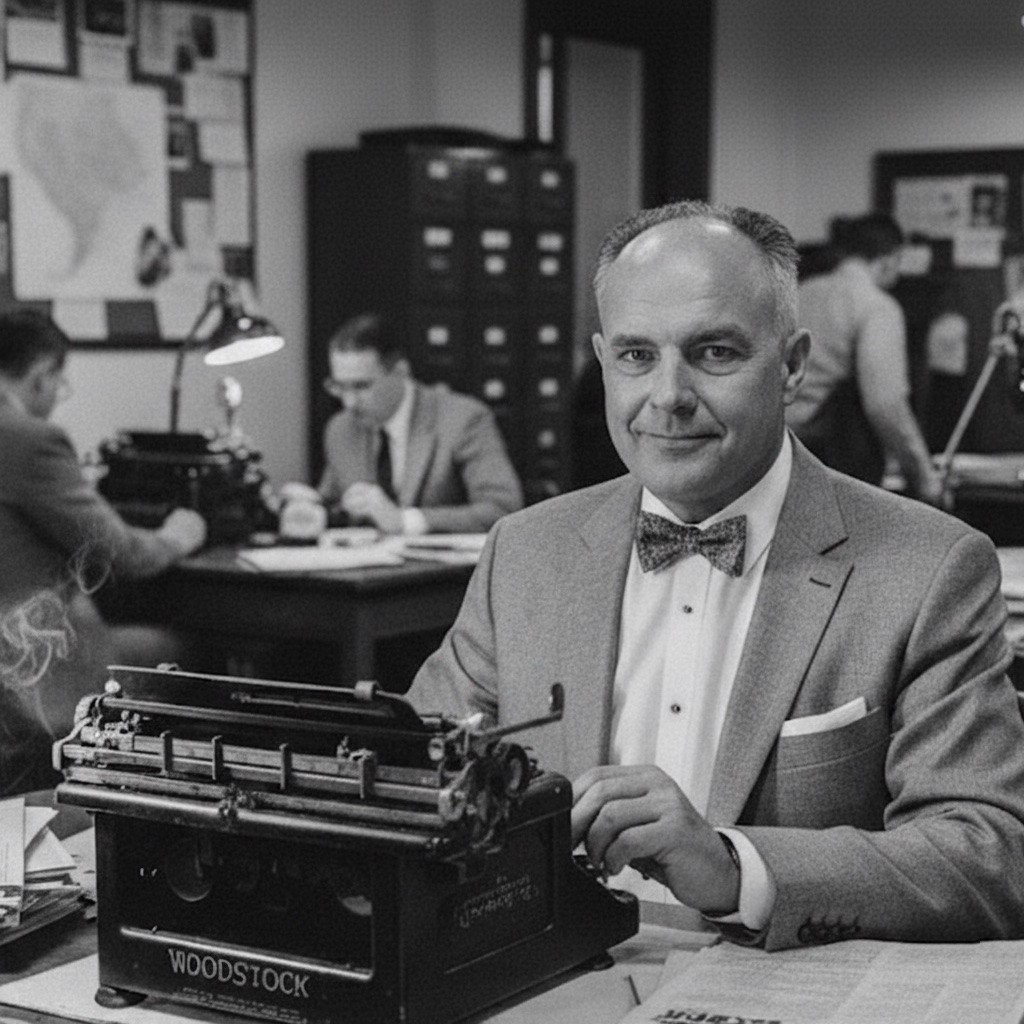

Rodger Morrow
Editor & Publisher, Beaver County Almanac
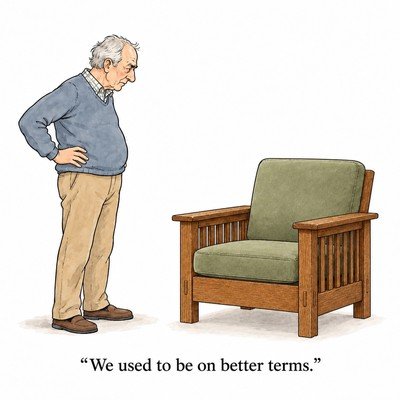
There comes an age when getting out of a chair requires a plan. You lean forward, plant your feet, consult the knees, and make a small noise that once would have meant somebody stepped on the cat. The chair, which used to be furniture, has become an opponent.
I find this unreasonable. I have spent decades acquiring judgment, perspective, and the ability to recognize a bad idea before somebody finishes explaining it. In exchange, my body has started repossessing the equipment. The warranty, it seems, covered wisdom or thighs, but not both.
Doctors call the loss of muscle and strength with age sarcopenia. It is a useful word because it sounds more dignified than “having trouble with the groceries.” In Beaver County, where generations earned a living moving things that did not wish to be moved, this seems an especially shabby arrangement. Our grandfathers wrestled steel. We negotiate with pickle jars.
I recently watched a video by Dr. Nick Norwitz on why old muscles shrink. I expected the usual verdict: the machinery wears out and the maintenance department stops answering the phone. The research he described suggested something odder.
Part of the machinery is working overtime.
A signaling system called mTOR tells muscle to grow. You would expect old muscle to get fewer such orders. Instead, the signal can get stuck on. The foreman is still shouting for production. Unfortunately, he is also keeping anyone from sweeping up.
Biologists call the sweeping up autophagy: breaking down damaged parts and reusing the materials. A growth signal that never shuts off suppresses it. Picture a mill where management keeps ordering another shift and nobody hauls away the scrap. Sooner or later, the scrap runs the mill.
Last year, researchers at Duke-NUS Medical School in Singapore, writing in the Proceedings of the National Academy of Sciences, traced the stuck signal to a regulatory protein called DEAF1, whose levels increase in aging muscle. In fruit flies and older mice, lowering DEAF1 restored the cleanup and improved muscle function. Exercise also helped restore the balance.
This is encouraging, though a fruit fly climbing better is not yet a prescription for a retired fellow in Bridgewater. I have never seen a fruit fly carry groceries.
Nor is one protein the whole story. Age also wears on the nerves, the repair crews, and the muscle’s power supply. Sitting still and eating poorly make it worse. The body has several departments capable of disappointing us at once.
A workout produces a useful burst of growth signaling. Regular exercise also appears to help aging muscles regain a better balance between production and cleanup. Even a steel mill needs maintenance. My thighs apparently expect the same courtesy.
The practical advice is depressingly familiar: use the muscles.
Strength training can mean weights, resistance bands, or your own body weight, adjusted to what you can manage. A trainer or physical therapist can help you start. Nobody requires a belt the size of a championship trophy.
Walking with added weight can make a familiar stroll more demanding. A lightly loaded vest keeps the weight close to your trunk; wrist or ankle weights can strain joints or alter your stride. Start modestly, with guidance about what suits you. The idea is to give the muscles work, not arrive in Beaver dressed for a siege.
Then there is rebounding on a mini-trampoline. Small studies in older adults suggest structured sessions can improve balance and some measures of strength and mobility. Gentle movements, a support handle, and instruction make a more sensible beginning than trying to clear the lampshade. It can complement strength training, with the added attraction of making exercise look briefly like an unauthorized childhood.
Protein matters, too. Eggs, fish, beans, and dairy will do. The idea is to supply the repair crew, not turn breakfast into an audition for a bodybuilding magazine.
Norwitz discusses supplements. Creatine, alongside resistance training, has decent evidence for older adults. Sarcosine and olive leaf compounds remain more preliminary. Laboratory findings do not automatically become useful purchases. The supplement aisle already contains enough promises to run for Congress.
We used to call this keeping yourself up, a phrase usually applied to the house, the yard, and sometimes the car. It turns out the owner needs upkeep, too. You cannot spend forty years changing the oil and expect your legs to run on nostalgia.
As Switch plans a data-center campus at the old Big Beaver racetrack, questions arise about who pays if the project underdelivers on power needs.
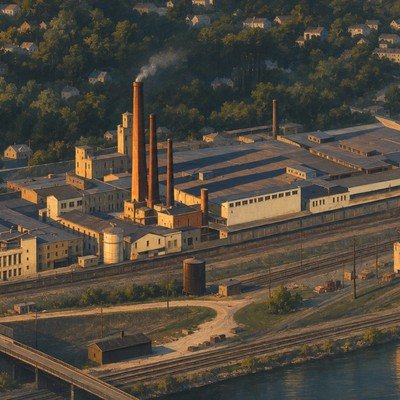
Geneva College’s football Saturdays once featured a relic of industry, blending nostalgia with the thrill of the game amidst Beaver Falls’ rich history.