
Who Gets the Bill at PittRace?
As Switch plans a data-center campus at the old Big Beaver racetrack, questions arise about who pays if the project underdelivers on power needs.



Rodger Morrow
Editor & Publisher, Beaver County Almanac
Tolstoy believed that a man troubled by his conscience had two choices. He could improve his conduct, or he could arrange things so that he no longer heard it. The second course had obvious advantages. It required no apology, interfered very little with dinner, and let him keep his good opinion of himself.
The trouble is other people. You can quiet your conscience, explain away your shortcomings, and settle into the belief that circumstances have prevented you from becoming magnificent. Then somebody you know goes and does something useful.
This is inconsiderate.
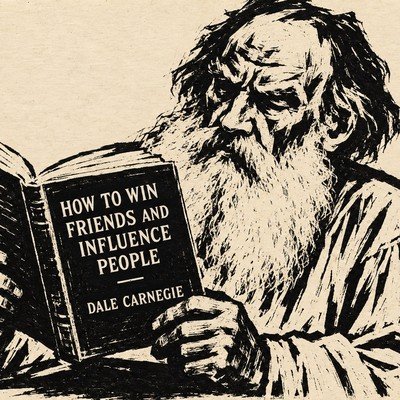
You had understood that everybody was waiting for circumstances to improve. Now here is this fellow learning French, losing weight, starting a business, or declining to join the discussion of what a fool somebody else is. He has upset an arrangement that suited everybody fine.
The surest way to make yourself unpopular, it turns out, is to improve yourself without the neighborhood’s consent.
In Anna Karenina, Tolstoy observes that some people, faced with a successful rival, look for the qualities that explain his success. Others get very good at overlooking everything good about him.
The latter method is less work. Studying another man’s virtues might oblige you to acquire some. Discovering that he is conceited can usually be managed before lunch.
We have all seen this happen, and most of us have helped.
A man gets a promotion. Yesterday he was a decent fellow who knew the business. Today he has always been something of a politician. A woman opens a shop. We wish her well until customers start going in. Then there are questions about her prices, her husband’s money, and the parking.
Failure lets us stay generous at very little personal expense. Success asks us to reconsider things.
The internet has discovered this and turned it into a branch of the self-help business. Videos explain that people dislike you because your peace exposes their chaos.
I had always assumed people disliked me because I talked too much. It was a relief to learn they were overwhelmed by my spiritual development. It meant I could keep talking.
Tolstoy is less obliging than the average motivational video. His suspicion of self-deception extends to the person watching.
It is possible that your neighbor resents your integrity. It is also possible that you borrowed his ladder in April and have since achieved considerable inner peace about keeping it. Before concluding that we are persecuted for our authenticity, we might return the ladder.
The language of personal growth makes wonderful cover for old-fashioned bad behavior. A man once known as inconsiderate is now protecting his energy. A man nobody can invite anywhere is setting boundaries. There are sound reasons for setting boundaries. There are also sound reasons for helping stack the chairs.
Still, after due allowance for our own talent for being a nuisance, the fact remains: people sometimes resent changes that are good for us.
Every circle develops an unofficial seating chart. One person is the dependable one, another the entertaining disaster, another the fellow whose ambitions provide material for affectionate jokes. Nobody remembers assigning these places. Everybody notices when someone moves.
The entertaining disaster stops drinking. The dependable one says she cannot serve on another committee. The fellow with the laughable ambitions produces something people will pay for.
“You’ve changed,” someone says, in the tone usually reserved for termites.
Well, yes. That had been the undertaking.
Not all of this is envy. Some of it is fear of losing a friend. But we need not spend the rest of our lives reassuring everyone by staying exactly as we were.
Tolstoy’s better advice is to listen to conscience. This is harder than listening to applause, which at least makes a noise. Conscience speaks quietly, usually just after you have composed an excellent defense. It asks whether you are telling the truth, whether you are being fair, and whether your refusal is necessary or merely satisfying.
These questions are less comforting than being told your enemies cannot bear your light. They may, however, improve your conduct.
Once we decide somebody resents us, resentment becomes available to us as well. Soon we have built a private institution devoted to someone whose opinion we claim does not matter. It comes complete with witnesses and devastating replies to last Thursday’s conversation.
Tolstoy’s way out is to refuse retaliation: skip the gossip and stay civil. This takes practice. Revenge comes naturally.
And listen when criticism contains something useful. A person need not admire you to notice that you interrupt.
The aim is to be honest enough to correct what needs correcting and steady enough to leave the rest alone. Some will miss the more convenient version of you. A few may come around once they see that your improvement has not required their humiliation.
Meanwhile, there is work to do, a conscience to consult, and probably a ladder to return.
As Switch plans a data-center campus at the old Big Beaver racetrack, questions arise about who pays if the project underdelivers on power needs.

Geneva College’s football Saturdays once featured a relic of industry, blending nostalgia with the thrill of the game amidst Beaver Falls’ rich history.