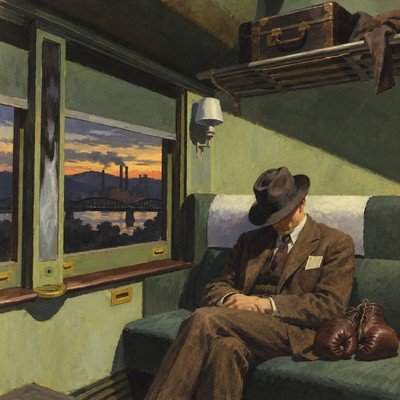
Sig Keppen: A Fighter by His Trade
Sig Keppen was a fighter in the 1920s, embodying the spirit of resilience and courage as he faced opponents in the ring, one bout at a time.

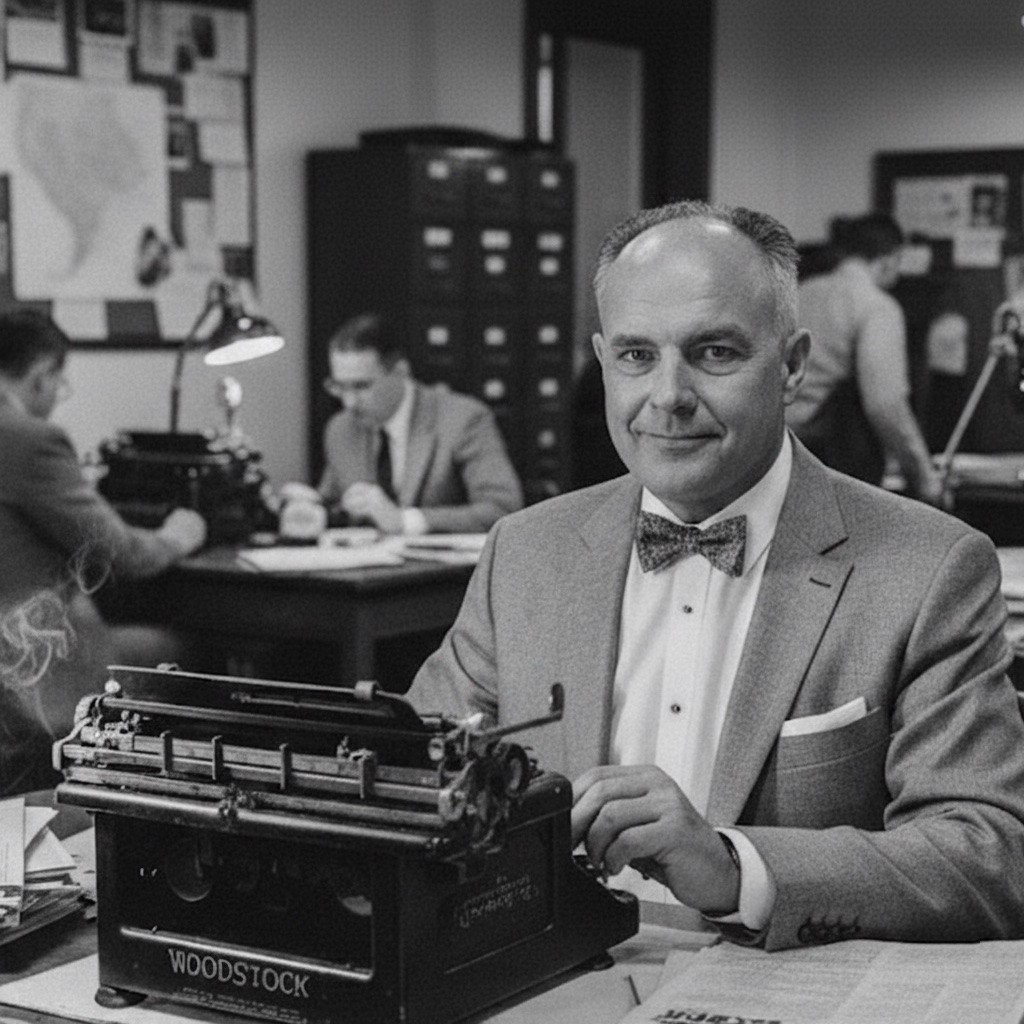

Rodger Morrow
Editor & Publisher, Beaver County Business
The American Revolution came to the Beaver Train Station Tuesday evening, arriving without muskets, frostbite, or eleven hundred exhausted horses.
Douglas Angeloni, a historian and amateur archaeologist who has worked on excavations at Fort Laurens since 1986, drove in from Ohio to make a point: Fort Laurens and Fort McIntosh were not two lonely outposts joined by bad roads and worse luck. They were two steps of the same staircase, built to lead an army to the British stronghold at Detroit.
Fort McIntosh was the first step. Fort Laurens was the second. Detroit was the destination nobody reached.
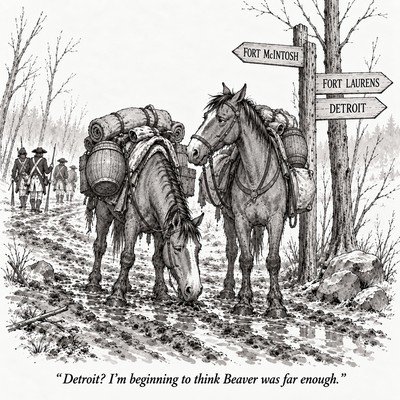
George Washington had approved the plan; Congress had financed it—proof that Congress once paid for a project that involved considerable hardship and no ribbon- cutting. By 1778, British-allied Native forces were raiding frontier settlements, supplied out of Detroit with arms, ammunition, food, and encouragement. Washington’s answer was to stop playing defense and carry the war west.
That required Fort McIntosh.
Built near the mouth of Beaver Creek in 1778, the fort became the headquarters and launching point for General Lachlan McIntosh’s expedition into the Ohio Country. Everything bound for Fort Laurens—soldiers, cattle, gunpowder, blankets, tools, whiskey, and hopeful correspondence—passed through Beaver first.
Fort McIntosh was the hinge between the settled East and the uncertain West. Fort Laurens, roughly 70 miles away on the Tuscarawas River, was meant to be the next link in a chain reaching toward Sandusky and, eventually, Detroit. One fort gathered men and supplies; the other pushed American power deeper into the wilderness. Neither made much sense without the other.
On paper, the arrangement was splendid.
Then came the horses.
The expedition numbered roughly 1,200 fighting men—more than 1,500 people once officers, scouts, packhorse drivers, cattle drovers, and women working with the regiments were counted. It also brought along more than 1,100 packhorses and at least 200 cattle, since the eighteenth century had not yet discovered canned beef or the convenience store.
The army traveled on its stomach. Its stomach traveled on horseback.
Unfortunately, the horses given to McIntosh were not the sleek animals one sees carrying generals in paintings. The good horses had already been sent east. McIntosh got what was left—old, sick, and by all appearances no more eager to see Ohio than a general’s horse would be.
After ten days, the expedition had covered fewer than 50 miles. Half the horses gave out after two or three. Fort Laurens was built partly because winter was closing in and the supply train could go no farther. The march on Detroit had become a search for somewhere to put up walls.
Those walls also kept a promise.
Chief White Eyes and other Delaware leaders had thrown in with the Americans, or tried to, while under pressure from neighboring nations allied with Britain. In exchange, the Americans promised a fort on Delaware land for their protection. Fort Laurens was therefore more than a supply depot. It was a treaty made visible—one that depended, in turn, on Delaware scouts, guides, and messengers.
Without that help, the expedition might never have reached the Tuscarawas. During the siege, a Delaware scout slipped through the lines and carried word east that the garrison was starving. McIntosh organized a relief force of roughly 600 men and 500 packhorses.
The relief column arrived in March. The starving soldiers celebrated by firing their muskets into the air, which spooked the horses and scattered much of the food into the woods—a genuine military achievement undone within the hour by a genuine military blunder.
The winter at Fort Laurens was brutal. Men froze, starved, ate leather, and died in ambushes while gathering wood. Fifteen members of one 17-man woodcutting party were killed outside the fort; the other two were taken prisoner. Supplies from Fort McIntosh arrived late or not at all because the horses were weak, the trails were dangerous, and 70 miles that look manageable on a modern map were nearly impassable in 1779.
Angeloni’s lecture made the case that Fort McIntosh and Fort Laurens belong in the same sentence. One was the base; the other, the gamble. Between them ran a fragile line of soldiers, Delaware allies, provisions, and horses—many of which seem to have reached the Ohio frontier only after failing an army physical.
The Beaver Train Station was a fitting place to hear it. The railroad would later make moving men and supplies look almost effortless. In 1778, every blanket, musket ball, barrel of flour, and medicinal ration of whiskey crossed the wilderness on the back of an animal that might decide, two miles outside Beaver, that it had done enough for the cause.
Fort Laurens lasted less than nine months. Its walls disappeared, its march on Detroit never happened, and 23 soldiers died there. But for that one winter, the road between
Beaver and the Tuscarawas was one of the more important arteries of the western Revolution.
We were not standing beside history here.
For one cold and desperate winter, history depended on Beaver—and on whether the horses could make it.
Sig Keppen was a fighter in the 1920s, embodying the spirit of resilience and courage as he faced opponents in the ring, one bout at a time.
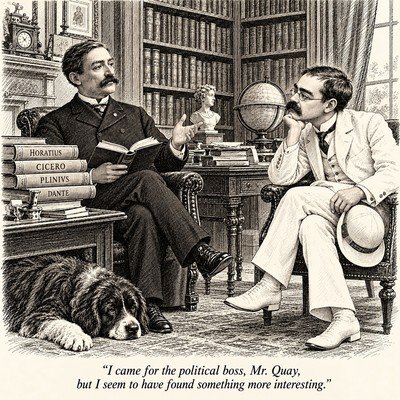
Matthew Stanley Quay was a powerful political boss, but his true passion lay in literature and knowledge, revealing a complex legacy beyond politics.